

Ports, fuel terminals, hydropower plants, and hydraulic engineering structures play a vital role in the functioning of modern states, making their security one of the most important challenges facing critical infrastructure today.
A significant portion of critical infrastructure is located near water bodies or relies on water as an essential element of operational and industrial processes. Seaports, fuel terminals, locks, dams, and hydropower plants support transportation, energy production, and economic security. At the same time, they are exposed to a wide range of threats - from extreme weather events to incidents caused by human activity. Protecting these assets requires a combination of security procedures, continuous monitoring, and advanced technologies capable of rapidly identifying potential risks.

Ports and terminals as strategic economic hubs
Ports and cargo terminals are key logistics hubs responsible for the movement of raw materials, fuels, and goods. Disruptions to their operations can affect not only individual businesses but also national and international supply chains. Ensuring the security of these facilities requires continuous oversight of infrastructure, port waters, and restricted-access areas.
Hydropower plants, locks, and dams under constant supervision
Hydrotechnical facilities are responsible for energy generation, water flow regulation, and flood protection. Their safe operation depends on continuous monitoring of both infrastructure conditions and environmental factors within surrounding water bodies. The accumulation of floating debris, structural damage, or sudden changes in water levels can lead to costly failures and reduced operational efficiency.
New threats to waterfront infrastructure
Modern critical infrastructure faces threats that were considered relatively insignificant only a decade ago. The growing number of incidents involving navigation signal interference, unauthorized vessel activity, and attempts to breach restricted areas is driving operators to seek new methods of enhancing security. At the same time, climate change is creating additional challenges, including more frequent storms, intense rainfall events, and extreme fluctuations in water levels.
Technologies supporting critical infrastructure protection
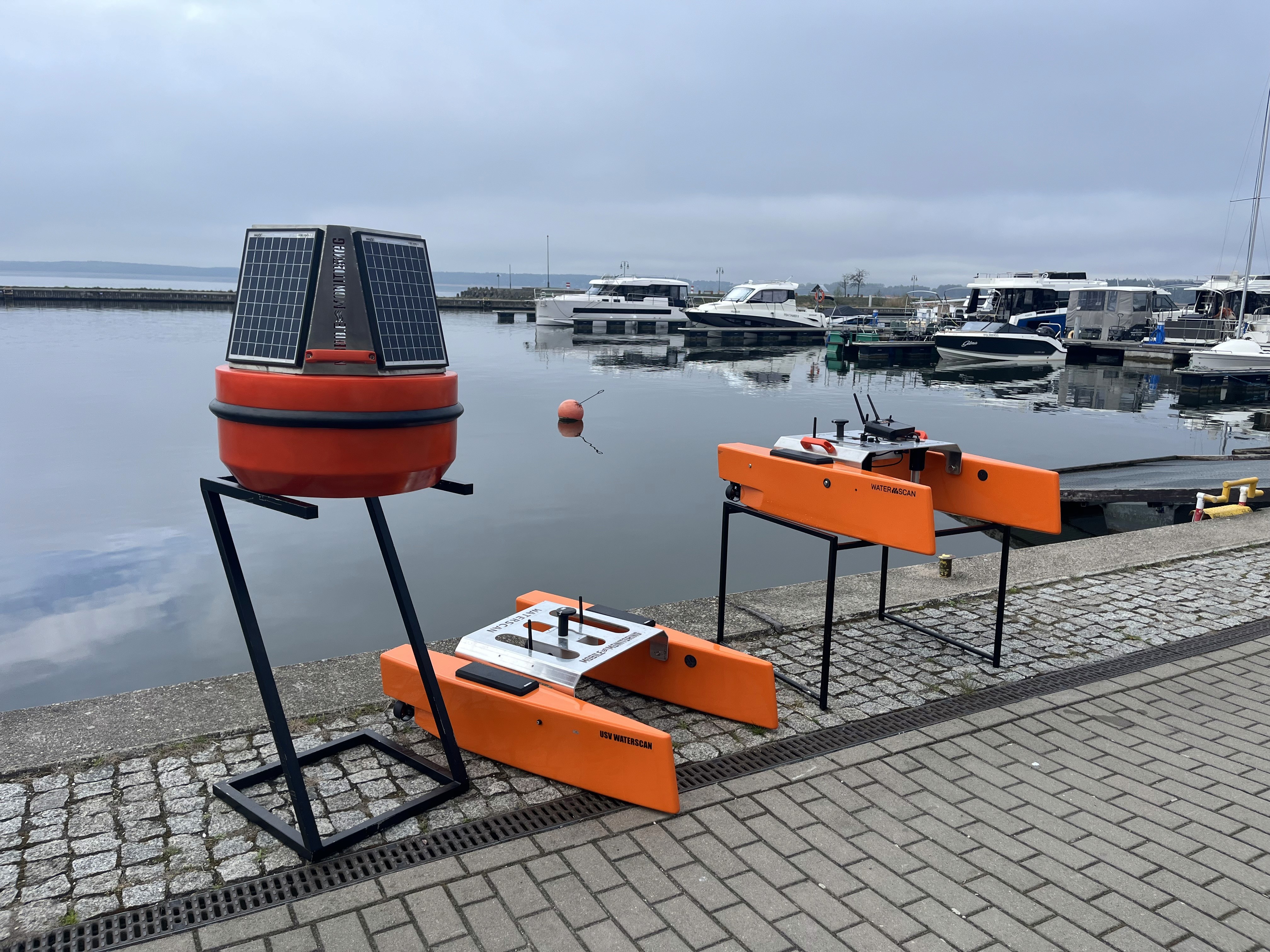
Modern monitoring systems, environmental sensors, and analytical tools enable operators to continuously observe infrastructure surroundings and identify potential threats more quickly. Access to real-time information supports faster operational decision-making, reduces the risk of failures, and improves preventive maintenance planning. As a result, advanced technologies are becoming an essential component of protecting facilities that are critical to economic stability and national security.