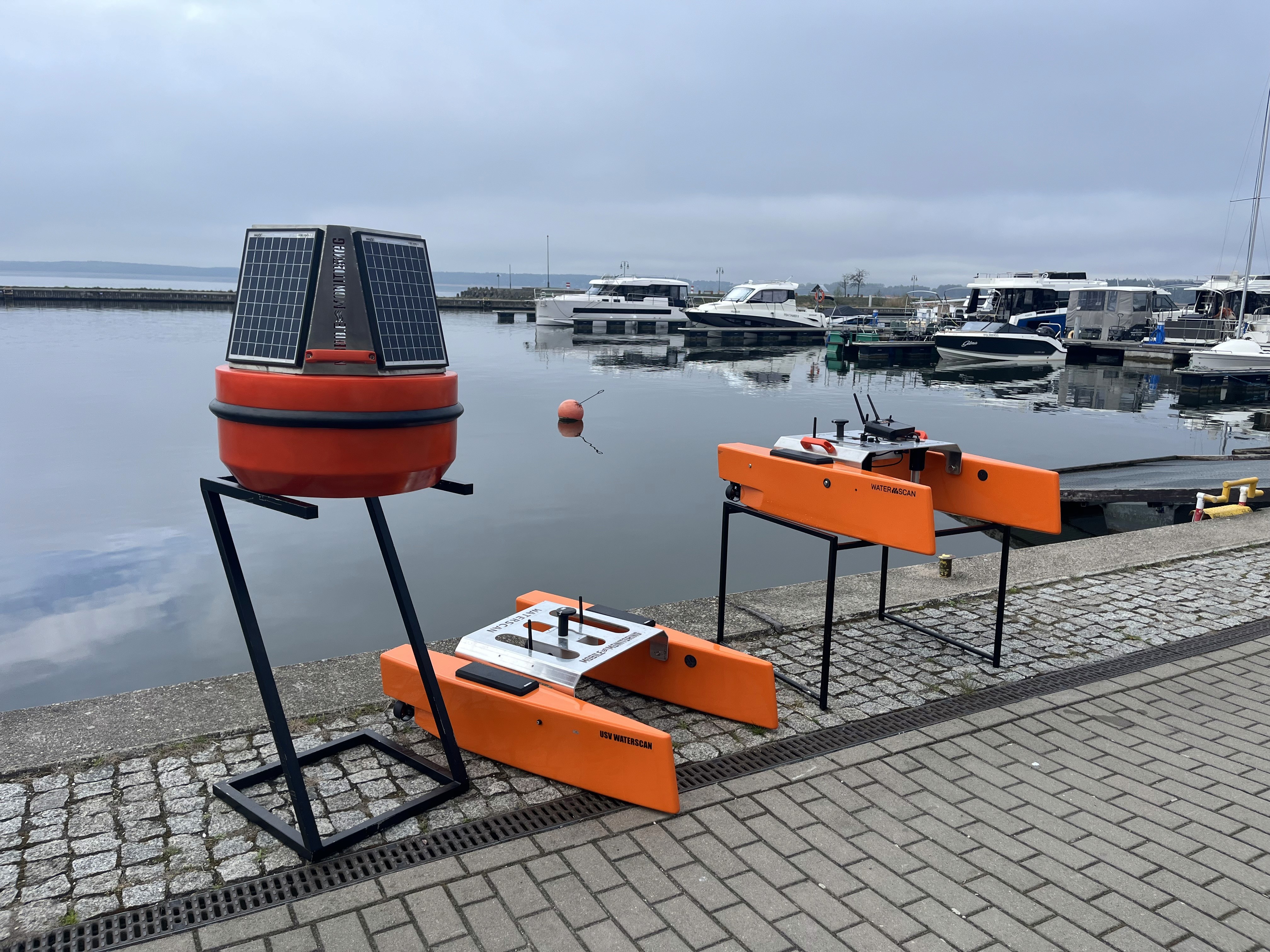



Modern ports are increasingly using data and digital tools to improve operational efficiency, enhance safety, and optimize infrastructure management.
Ports have always been key hubs for trade and transportation. Today, however, their role extends far beyond cargo handling and vessel operations. Growing maritime traffic, expanding infrastructure, and increasing requirements related to safety and environmental protection are making port management more complex than ever. In response to these challenges, ports around the world are investing in digital transformation, leveraging data and advanced technologies to improve day-to-day operations.

Data as the foundation of a modern port
Modern ports generate vast amounts of information from a wide range of sources. This data includes vessel traffic, berth utilization, weather conditions, technical infrastructure status, and environmental parameters. Effective collection and analysis of this information enable operators to identify potential issues more quickly and make decisions based on real-time operational conditions.
Automation and improved efficiency
Digital tools are increasingly supporting vessel traffic planning, cargo handling operations, and coordination between various port services. Automating selected processes helps reduce errors, shorten operation times, and improve the utilization of available resources. As a result, ports can handle higher cargo volumes while maintaining high safety standards.
Real-time decision making
One of the greatest benefits of digital transformation is access to real-time information. Port operators can respond more quickly to changing weather conditions, unexpected incidents, or increased traffic levels. This enables them to minimize operational disruptions and maintain the continuity of critical infrastructure and services.
Smart Port - the future of modern port development
The Smart Port concept is based on integrating data, systems, and devices into a single management ecosystem. The goal is to create a port capable of using available information to optimize operations, enhance safety, and reduce environmental impact. Solutions based on data analytics, automation, and digital platforms are becoming an increasingly important part of development strategies adopted by leading ports worldwide.