

Safety on water bodies depends not only on large vessels and AIS systems, but also on the detection of small, often invisible threats.
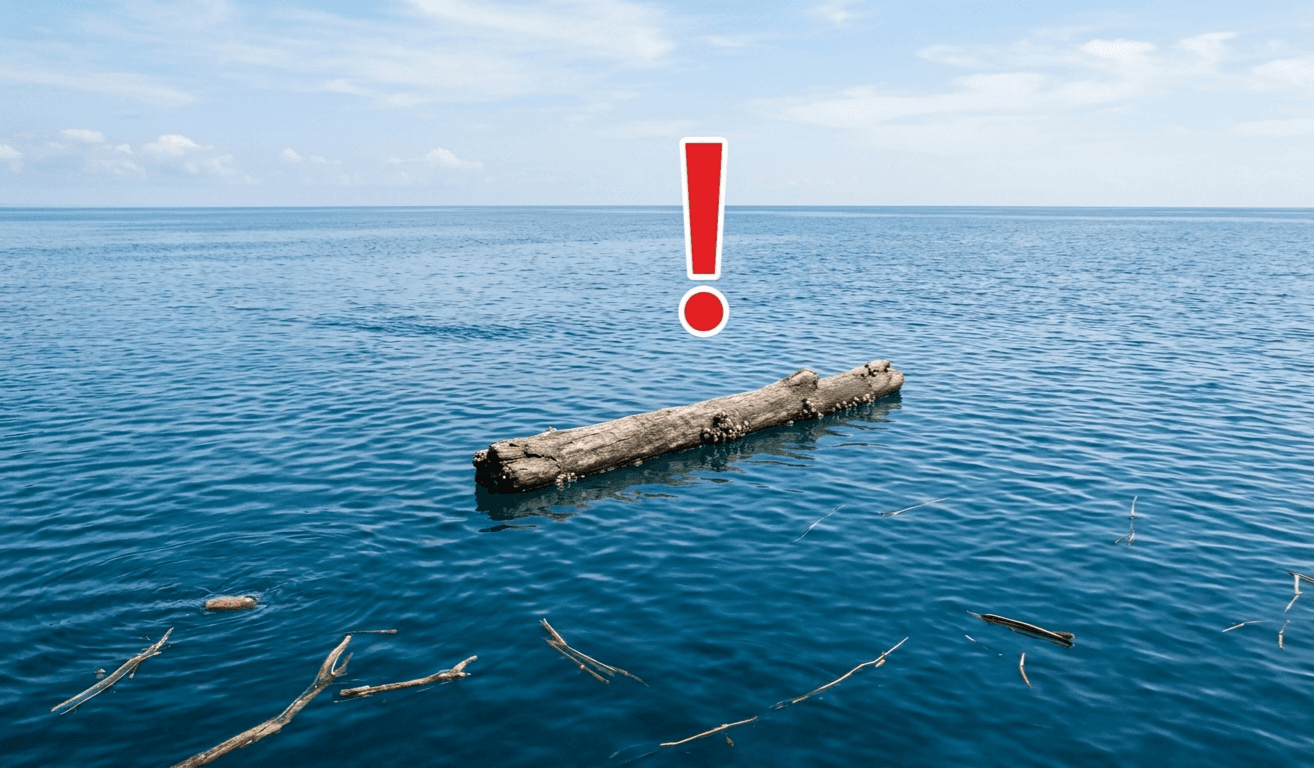
In practice, drifting objects such as logs, debris, ice floes, or fragments of infrastructure pose a real risk to vessels, hydrotechnical installations, and critical infrastructure. Traditional monitoring systems often fail to detect them or respond too late.
The challenge: invisible threats on water
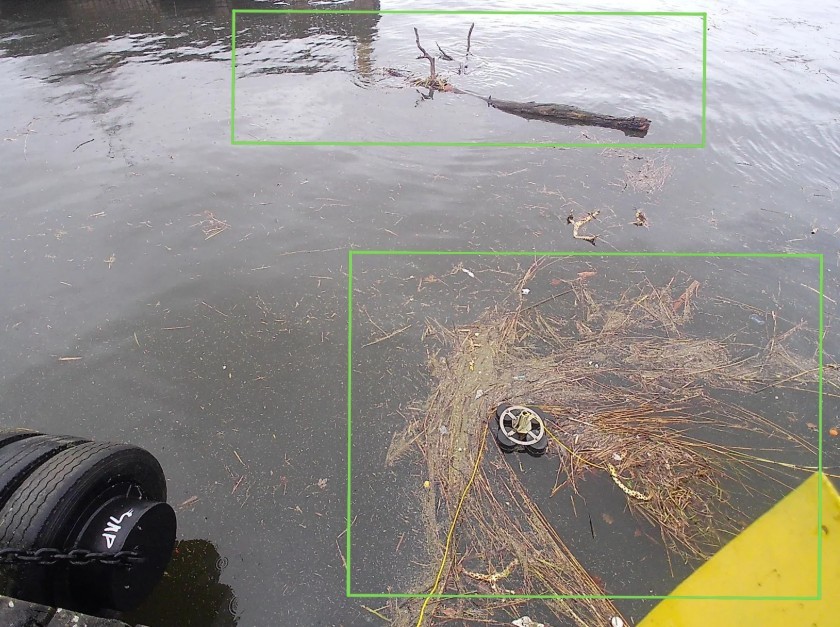
Navigational obstacles can appear suddenly and move with currents or wind. The problem becomes even more critical in challenging conditions - at night, in fog, or on rough water. In such situations, human observation becomes highly ineffective. These threats may include:
· logs, wood fragments, and ice floes,
· floating waste and debris,
· infrastructure elements or unmarked objects.
How AI cameras detect navigational obstacles
AI-powered cameras analyze video streams in real time and are capable of detecting objects on the water surface regardless of their shape or size. In practice, this means the system not only captures images but also interprets them, identifying drifting objects and assessing whether they pose a threat. By combining RGB imaging with thermal vision, the system can operate both day and night, even in low-visibility conditions.
From detection to response
Detection alone has no value without rapid response. Once an obstacle is detected, the system automatically generates an alert and delivers it to the operator. This may take the form of a system notification, a mobile app alert, or an alarm signal. At the same time, every event is recorded, allowing for later review, analysis, and the creation of a growing database of potential hazards.
Advantages over traditional systems
Compared to radar systems or manual observation, AI cameras offer:
· higher accuracy in detecting small objects,
· the ability to classify the type of threat,
· continuous monitoring without operator involvement,
· integration with analytical and reporting platforms.
A system-based approach to safety
The biggest shift lies in integration with an analytical platform. Cameras are no longer standalone devices - they are part of a broader system that collects data, analyzes it, and transforms it into actionable insights. This enables not only real-time response but also the identification of recurring risks and high-risk areas. As a result, monitoring evolves from passive observation into an active tool for managing water safety through the detection of navigational hazards.