


Even a small oil spill can quickly lead to serious environmental and operational consequences.
Petroleum-based pollution is among the most difficult threats to detect on water bodies. It often spreads unnoticed, forming a thin film on the surface or remaining invisible within the water column. A lack of immediate response not only results in environmental degradation but also increases the risk of operational downtime and high remediation costs.
Why early detection is critical
Response time is the most important factor in limiting the impact of a spill. The sooner oil is detected, the greater the chance of containing it locally and preventing further spread. In practice, this means avoiding contamination of larger water areas, port infrastructure, or water intake systems. Early detection also reduces cleanup costs and minimizes the risk of environmental penalties.
Technologies for oil detection on water
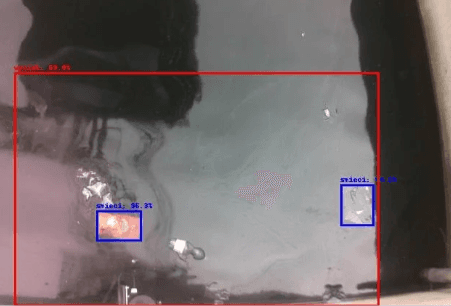
Modern detection systems rely on a combination of physicochemical sensors and image analysis. “Oil in Water” sensors enable the detection of petroleum substances both on the surface and within the water column. These are complemented by cameras equipped with AI algorithms that identify characteristic changes on the water surface, such as oil films, variations in reflectivity, or unnatural patterns. The integration of these technologies significantly improves detection accuracy while reducing the risk of false alarms.
Impact of oil spills on aquatic environments
Oil and fuel create a surface layer that limits gas exchange, directly affecting oxygen levels in the water. As a result, aquatic organisms experience disruptions in their biological functions, and in severe cases, this can lead to mass mortality. Additionally, petroleum substances can settle on the bottom, causing long-term contamination and affecting water quality for years.
Automated monitoring and immediate response
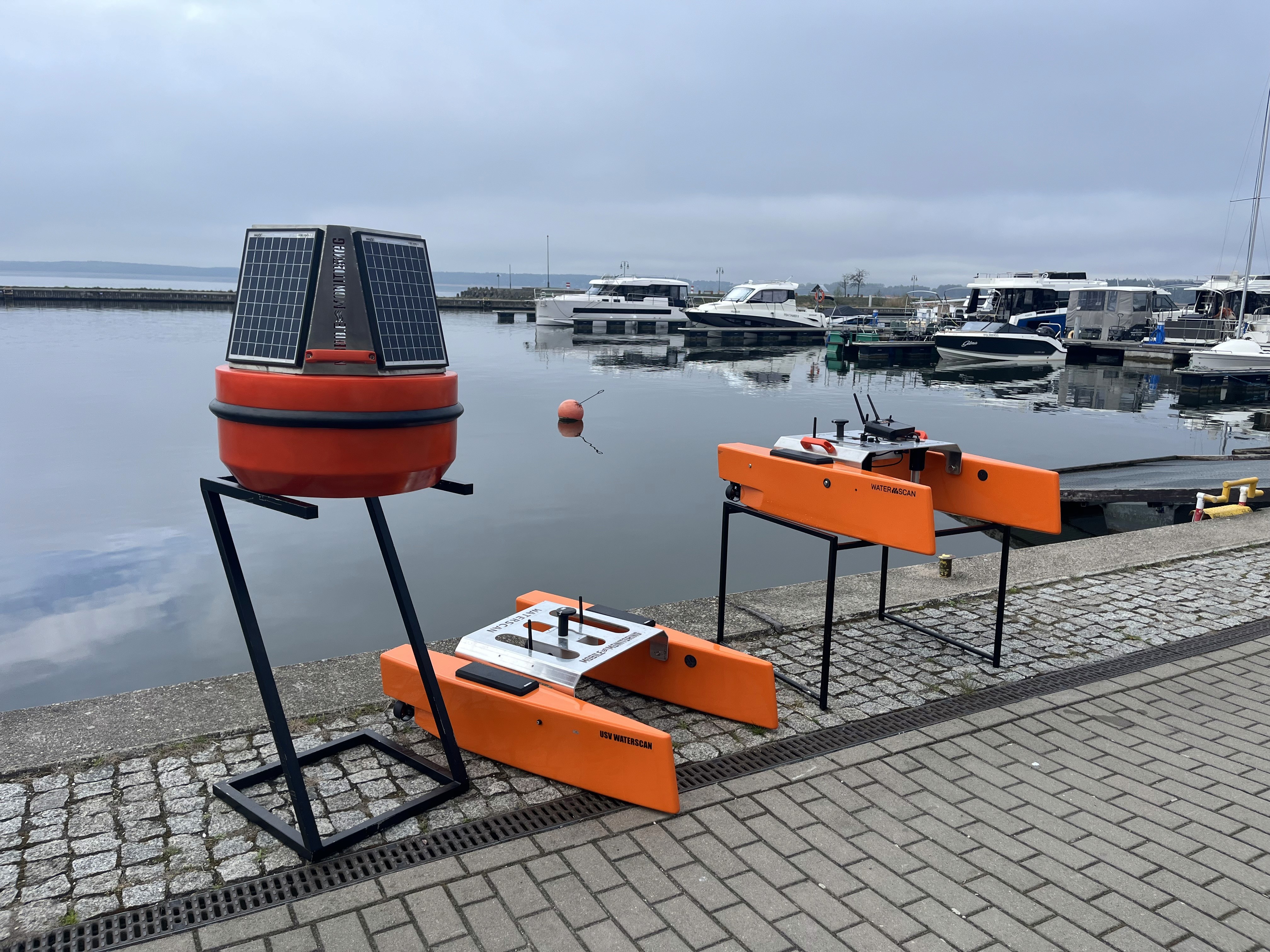
Automated monitoring systems enable 24/7 surveillance of water bodies without the need for constant human supervision. When an anomaly is detected, instant alerts are generated, allowing response teams to act quickly. Integrating data from multiple sources - sensors, cameras, and analytical systems - provides a comprehensive situational overview and supports informed operational decisions.
Modern monitoring as a pillar of responsible management
Oil spill detection is no longer just a reactive measure, it has become a key element of prevention. Implementing intelligent monitoring systems not only protects the environment but also enhances operational safety and ensures compliance with increasingly strict regulations. It is an approach that combines advanced technology with real, measurable impact on water resource protection.