

Modern monitoring is no longer about individual devices, it is about a connected system that understands situations and responds in real time.
In aquatic environments, a single sensor or camera cannot provide a complete picture. Only by integrating multiple data sources into one cohesive system can threats be effectively detected and decisions made quickly. This approach transforms monitoring from passive observation into active safety management.
What is system-based water monitoring?
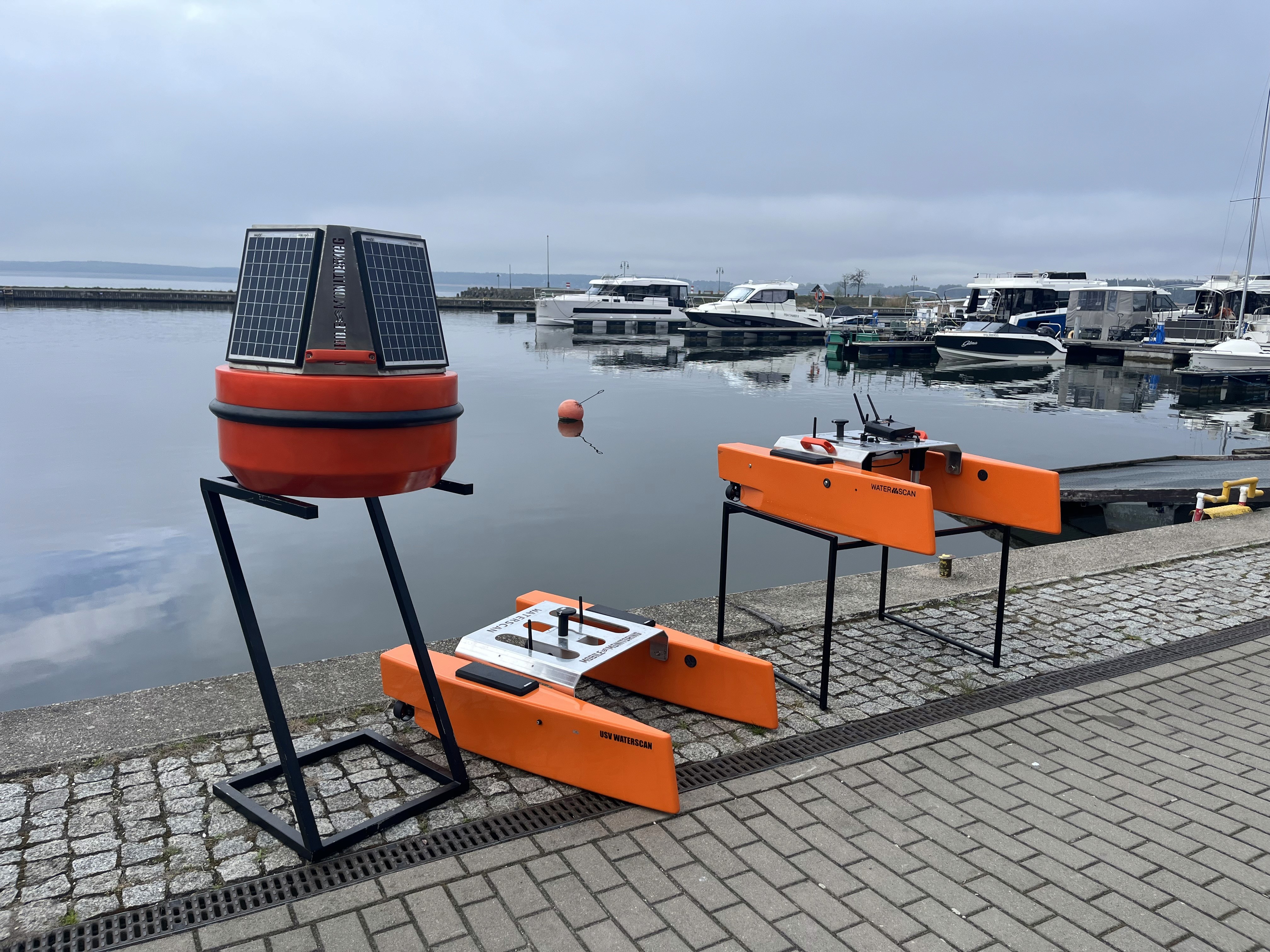
It is an integrated ecosystem of devices, including AI cameras, environmental sensors, and an analytical platform. Each component plays a specific role - cameras analyze visual data, sensors measure water parameters, and the platform aggregates and interprets all incoming information. As a result, users receive not just isolated readings, but a full contextual understanding of events.
How do devices work together in practice?
The system operates continuously and autonomously. Sensors collect physicochemical data such as pH, temperature, and the presence of oil-based substances, while cameras monitor the water surface and detect objects or anomalies. All data is transmitted to a central platform, where it is analyzed and compared in real time. When multiple sources simultaneously indicate an irregularity, the system increases the confidence level of detection, significantly improving reliability.
The platform as the center of management and data analysis
The core of the system is the platform, where all data is collected, processed, and visualized. This is where events are analyzed, displayed, and archived. Users gain access to clear dashboards, maps, and incident histories, enabling not only real-time response but also long-term analysis of environmental trends and changes.
Alert and notification mechanisms
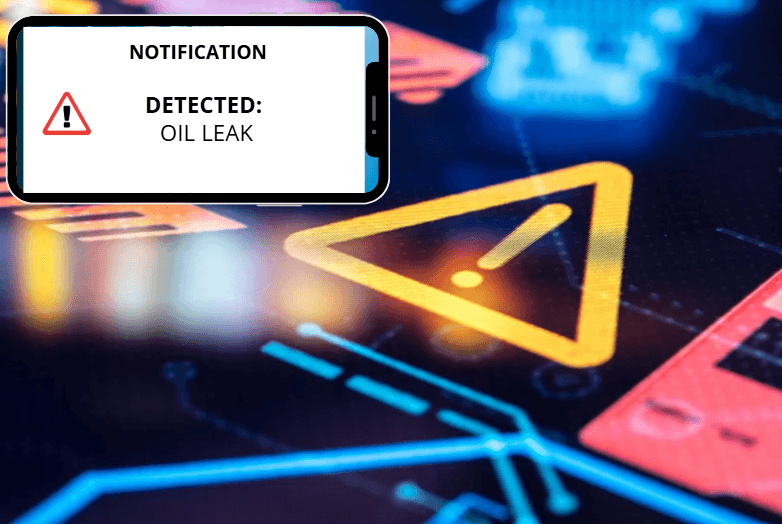
When a threat such as an oil spill, the presence of an object in a restricted area, or sudden changes in water parameters is detected, the platform automatically generates an alert. Notifications can be delivered via SMS, email, or mobile applications, reaching the appropriate personnel instantly. This ensures immediate response without the need for continuous operator supervision.
Reporting and decision support
The system goes beyond detection. The platform enables automatic generation of both real-time and periodic reports. Data summaries, alert histories, and trend analyses support operational decision-making, preventive planning, and compliance with regulatory requirements.
Monitoring as a process, not a device
The most significant shift introduced by such systems is the transition from viewing monitoring as hardware to understanding it as a continuous process. The system operates 24/7, learns patterns, and reacts to deviations. Operators no longer need to watch screens constantly, they receive actionable insights and can focus on decision-making.
Intelligent systems as the foundation of safety
Integrated water monitoring systems enhance both environmental protection and infrastructure safety. Automation, data analysis, reporting, and rapid alerting make responses not only faster but also more precise. This represents the future of water monitoring: system-based, autonomous, and data-driven.