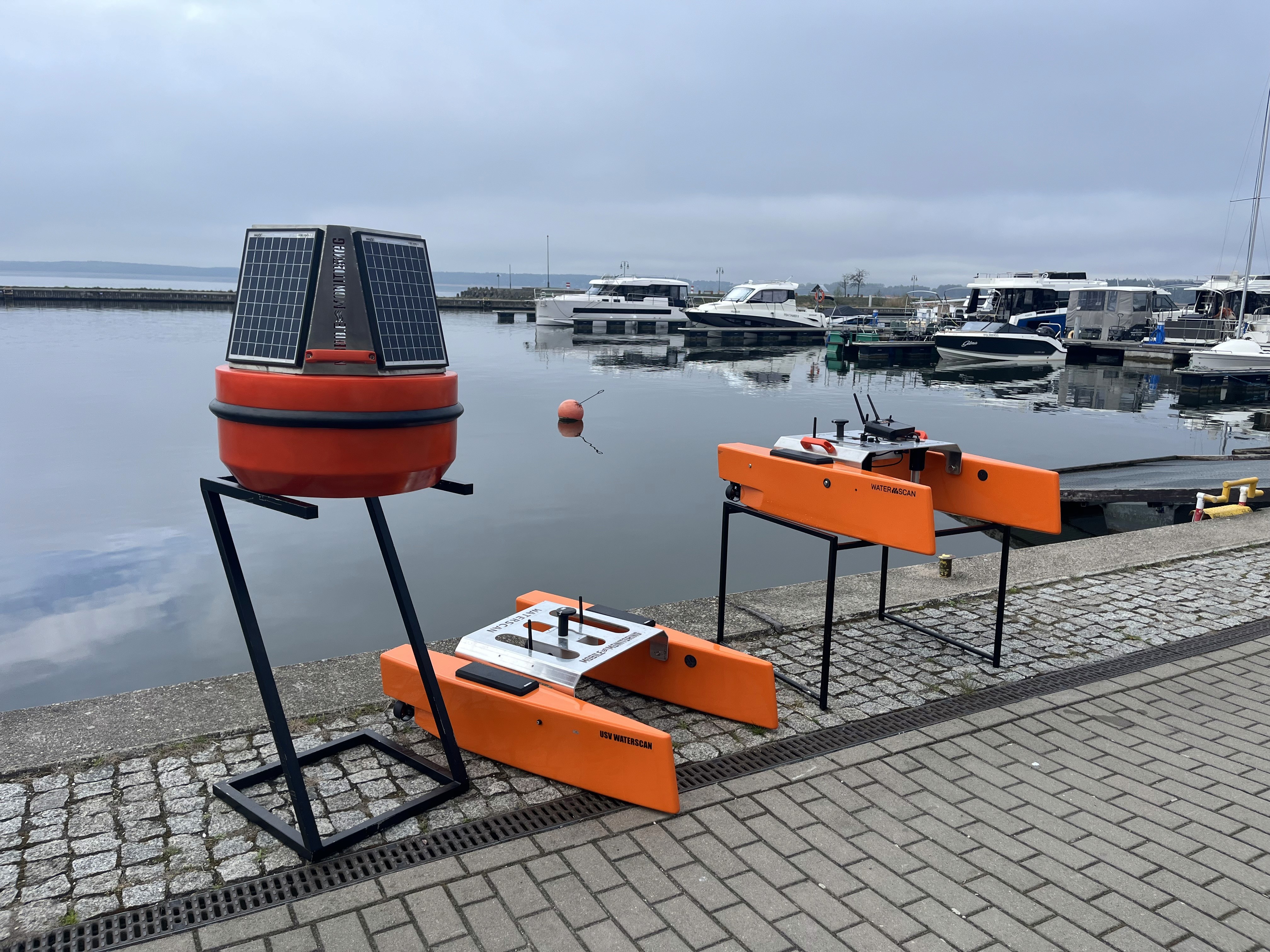



Water quality parameters reveal much more than whether the water is clean - they also provide valuable insights into the processes taking place throughout the entire ecosystem.
At first glance, water may appear unchanged, but its properties constantly respond to weather conditions, biological processes, and human activity. Parameters such as temperature, pH, conductivity, dissolved oxygen, and turbidity provide valuable information about the condition of a water body. When analyzed together, they offer a clearer understanding of ongoing changes and help identify potential issues at an early stage.

Each parameter tells a different part of the story
Every water quality parameter reflects a different aspect of the aquatic environment. Temperature influences biological activity and dissolved oxygen levels, pH indicates the water's acidity or alkalinity, conductivity reflects the concentration of dissolved substances, while turbidity measures the presence of suspended particles or sediments. Only by evaluating these parameters together can the overall condition of a water body be accurately assessed.
How do water parameters reveal changes in the ecosystem?
Sudden changes in measured values may indicate pollution, the inflow of different water masses, or changes in hydrological conditions. Long-term deviations, on the other hand, can signal eutrophication, declining oxygen levels, or the gradual degradation of the aquatic environment. Analyzing relationships between different parameters makes it possible to identify emerging problems before they become visible.
Why is a single measurement not enough?
Water conditions change throughout the day, between seasons, and even across different parts of the same water body. Weather conditions, inflows, depth, and biological activity all influence measurement results. A single reading therefore provides only a snapshot of current conditions, while continuous monitoring makes it possible to identify long-term trends and detect abnormalities more reliably.
From data to better decisions
Water quality data supports the management of ports, national parks, hydropower facilities, and other water-related infrastructure. It enables operators to detect changes more quickly, plan appropriate actions, and make decisions based on reliable information. As a result, water becomes not only a resource that requires protection but also a valuable source of knowledge about the condition of the entire ecosystem.