

Modern technologies support environmental protection by providing the data necessary for effective water environment monitoring.
National parks and nature reserves include some of Poland’s most valuable aquatic ecosystems. Lakes, rivers, wetlands, and coastal areas require continuous observation, particularly in the face of climate change, increasing tourism pressure, and pollution-related threats. The development of autonomous monitoring systems and remote sensing technologies enables faster detection of potential risks and more effective protection of these valuable ecosystems.
Nature conservation based on reliable data
Effective management of protected areas requires up-to-date knowledge of environmental conditions. Parameters such as water temperature, pH, conductivity, dissolved oxygen levels, and turbidity can provide valuable insights into ongoing changes within aquatic ecosystems. Continuous monitoring makes it possible to detect emerging issues at an early stage, before they lead to long-term environmental damage. Automatically collected data supports both the daily activities of conservation authorities and long-term scientific research programs.
Challenges of monitoring protected areas
National parks and nature reserves often cover vast and difficult-to-access areas. Many locations lack access to power and telecommunications infrastructure, making regular field measurements challenging. Another important consideration is minimizing human interference with sensitive natural habitats. Traditional field inspections are time-consuming and may not always detect problems quickly enough. As a result, autonomous monitoring solutions capable of operating for months without constant maintenance are becoming increasingly important.
Autonomous technologies supporting ecosystem protection
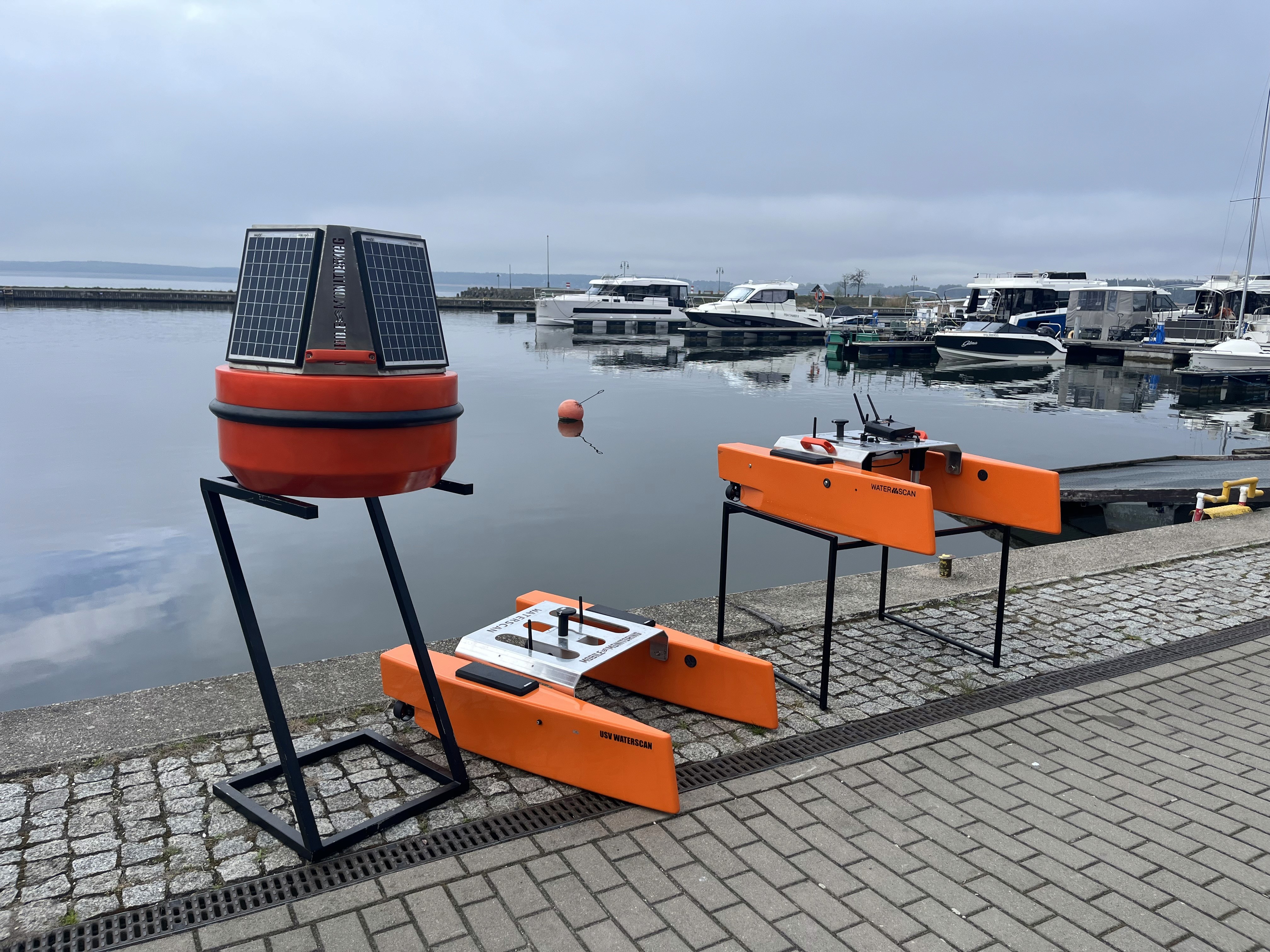
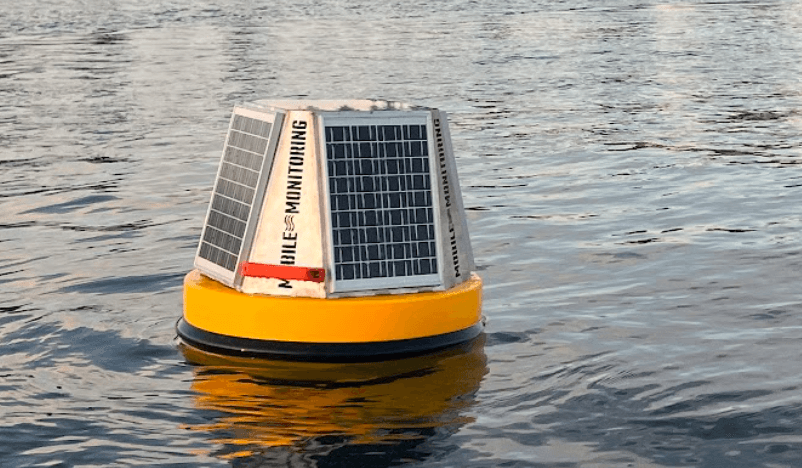
Modern measurement buoys, water quality monitoring stations, and observation systems enable continuous, around-the-clock surveillance of aquatic environments. Equipped with various sensors, these systems can automatically transmit measurement results to analytical platforms, providing access to real-time environmental data regardless of location. Such technologies allow for continuous monitoring while reducing the need for frequent field visits and minimizing disturbance to protected ecosystems.
A data-driven future for nature conservation
The development of autonomous monitoring systems and advanced data analysis tools is creating new opportunities for water environment monitoring. By combining modern technologies with environmental expertise, organizations can manage valuable natural areas more effectively and protect water resources for future generations. Today, monitoring is no longer just a tool for observation, it has become an essential component of proactive ecosystem management and conservation.