

Dynamic changes in aquatic ecosystems and the risk of sudden pollution require technology that does not just measure parameters but actively interprets the situation on the water.
The protection of water resources against illegal discharges, oil spills, or chemical contamination now depends on the speed of response. Water Quality Station is an advanced monitoring system that combines precision physicochemical sensors with intelligent image analysis, creating a 24/7 line of defense for both inland and marine water bodies.
What is the water quality station?
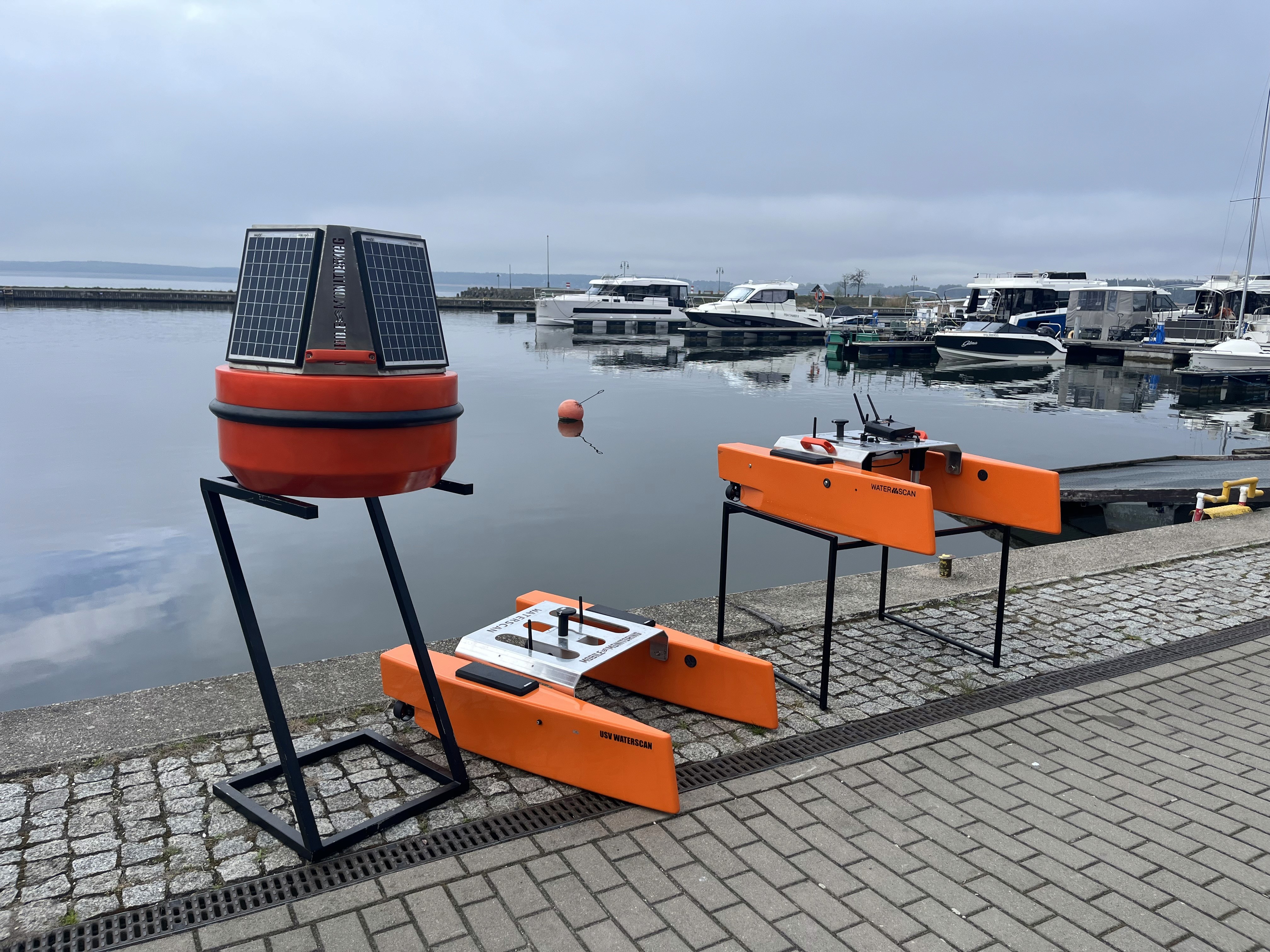
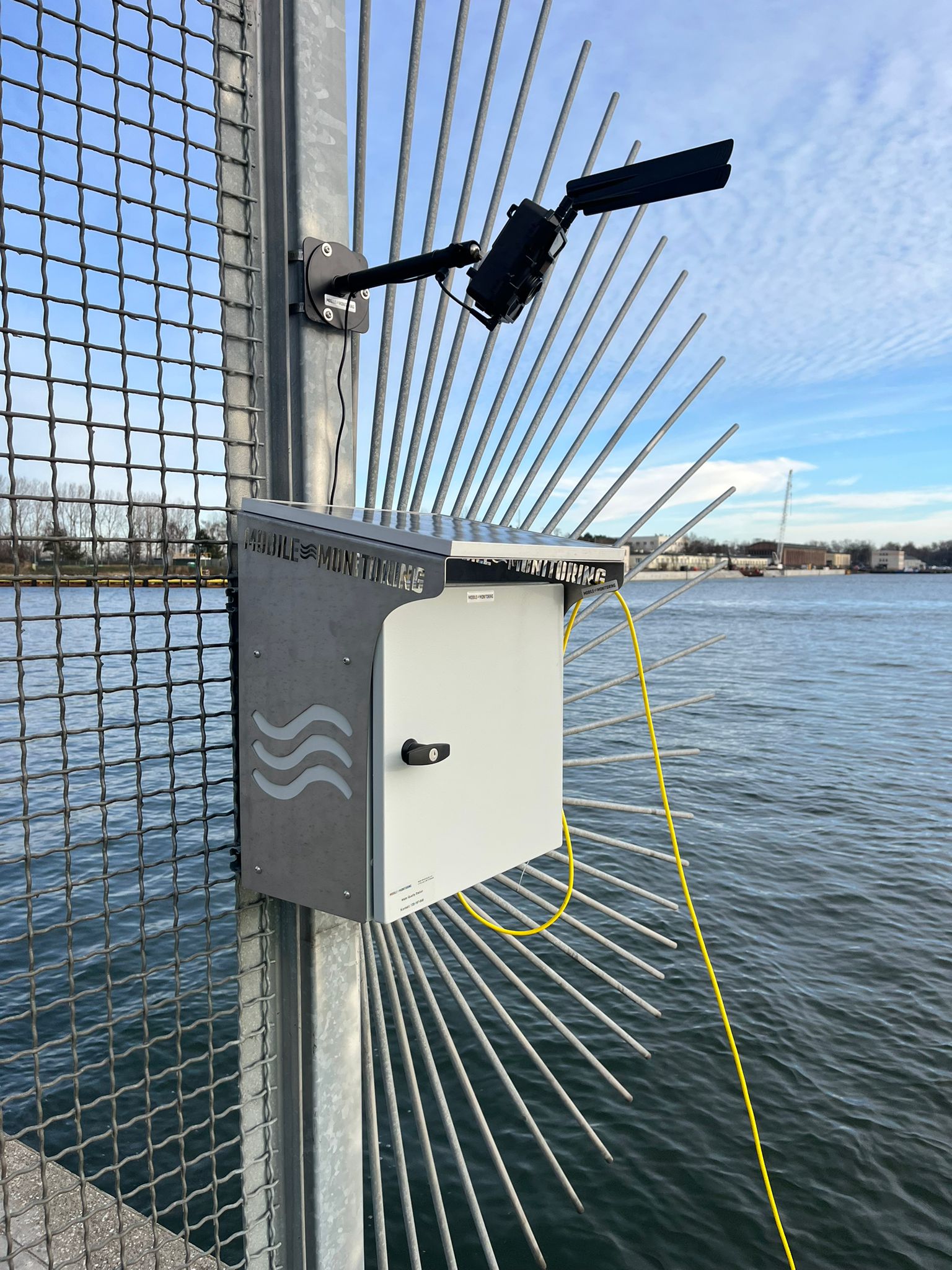
It is a comprehensive measurement station consisting of a base unit mounted on the shore and a float equipped with precision sensors. The system was designed with full independence in mind - allowing for weeks of maintenance-free operation. All collected data is transmitted wirelessly to the cloud via stable LTE connectivity.
Comprehensive analytics and petroleum detection
The station continuously monitors parameters such as pH, temperature, turbidity, and ORP. A key element of the system is a specialized "Oil in Water" sensor, capable of detecting even trace amounts of oil on the surface or in the water column. In the event of a leak or illegal sewage discharge, the system immediately generates alerts sent via SMS or email to the relevant authorities.
Visual surveillance powered by artificial intelligence
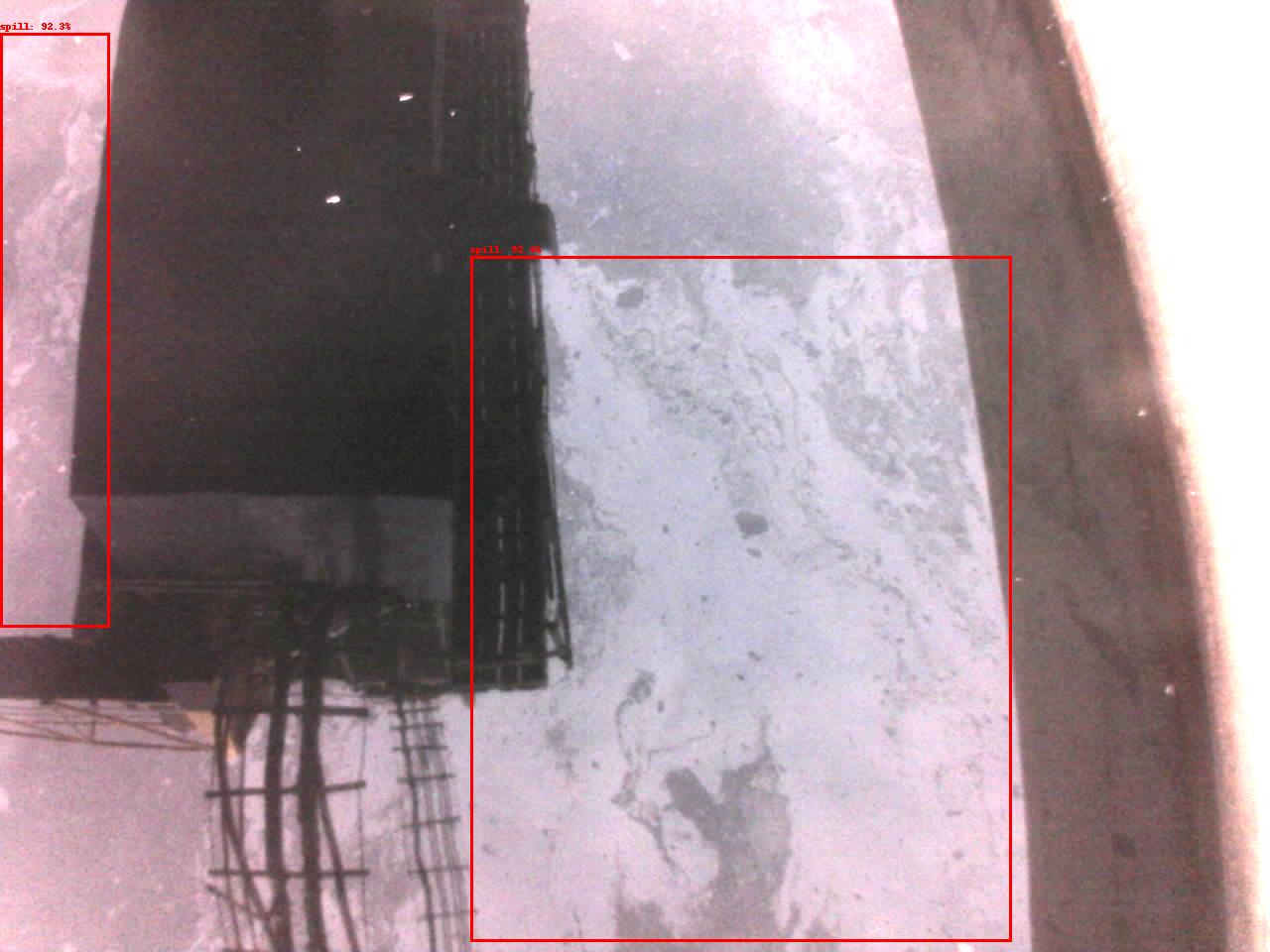
A unique feature of the Water Quality Station is the integration of AI cameras. The RGB camera automatically identifies objects on the water, such as foam or drifting debris, while the thermal imaging module reveals temperature anomalies that may indicate hidden leaks or human activity after dark. This synergy of sensors and imagery provides full insight into the environmental situation without the need for an operator's physical presence on-site.
Data architecture and trend analysis
Collected information is archived on a web platform in the form of clear, interactive maps and charts. The intuitive interface allows for the filtering of incidents by time, location, or threat level. The alarm history enables not only a quick response to current problems but also long-term trend analysis, which is invaluable in planning effective environmental protection strategies.
Intelligent surveillance - A clean future for our waters
The Water Quality Station is a technology that transforms passive data collection into an active crisis management system. By automating the monitoring process, threat identification becomes precise, and environmental protection more effective than ever before.